
Four Weeks
That Changed
the Middle East
February 28 – March 28, 2026. An interactive timeline of the conflict that reshaped geopolitics, devastated civilians, and shocked the world.
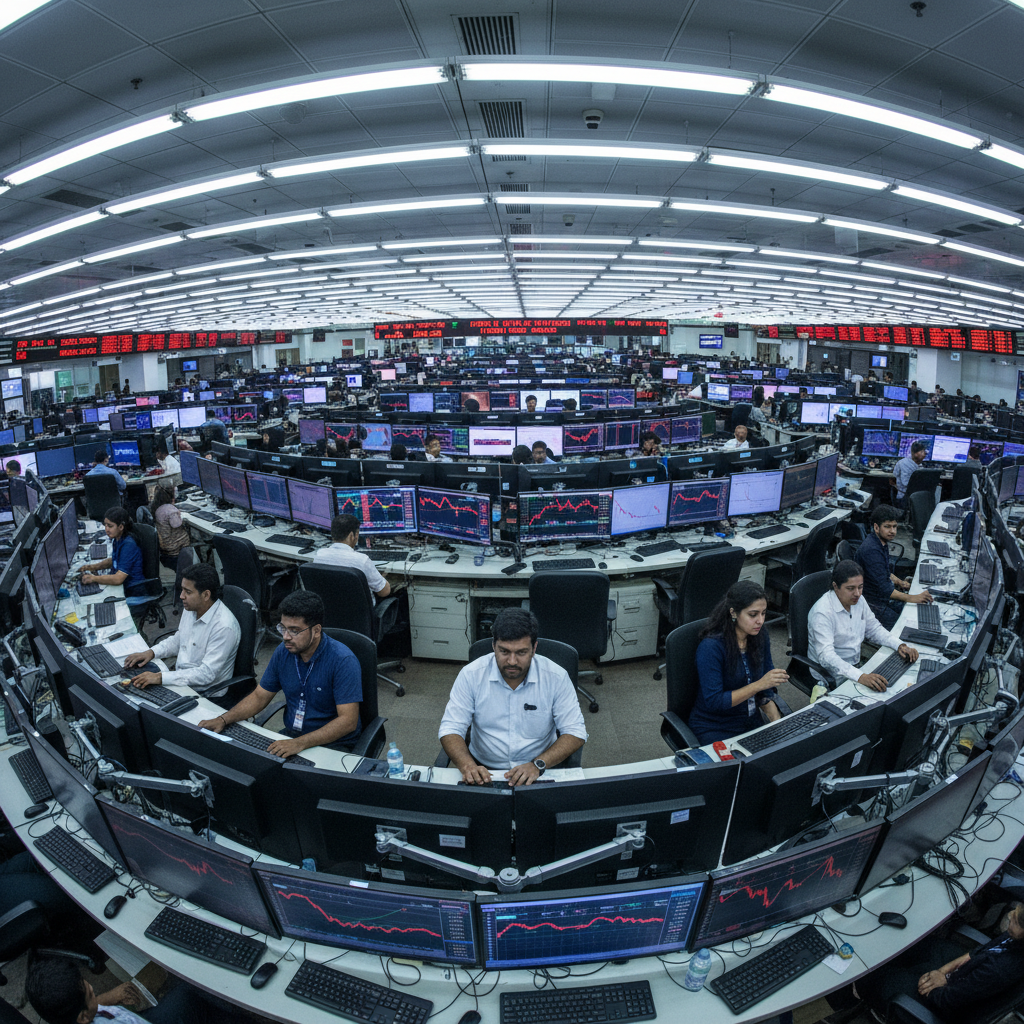
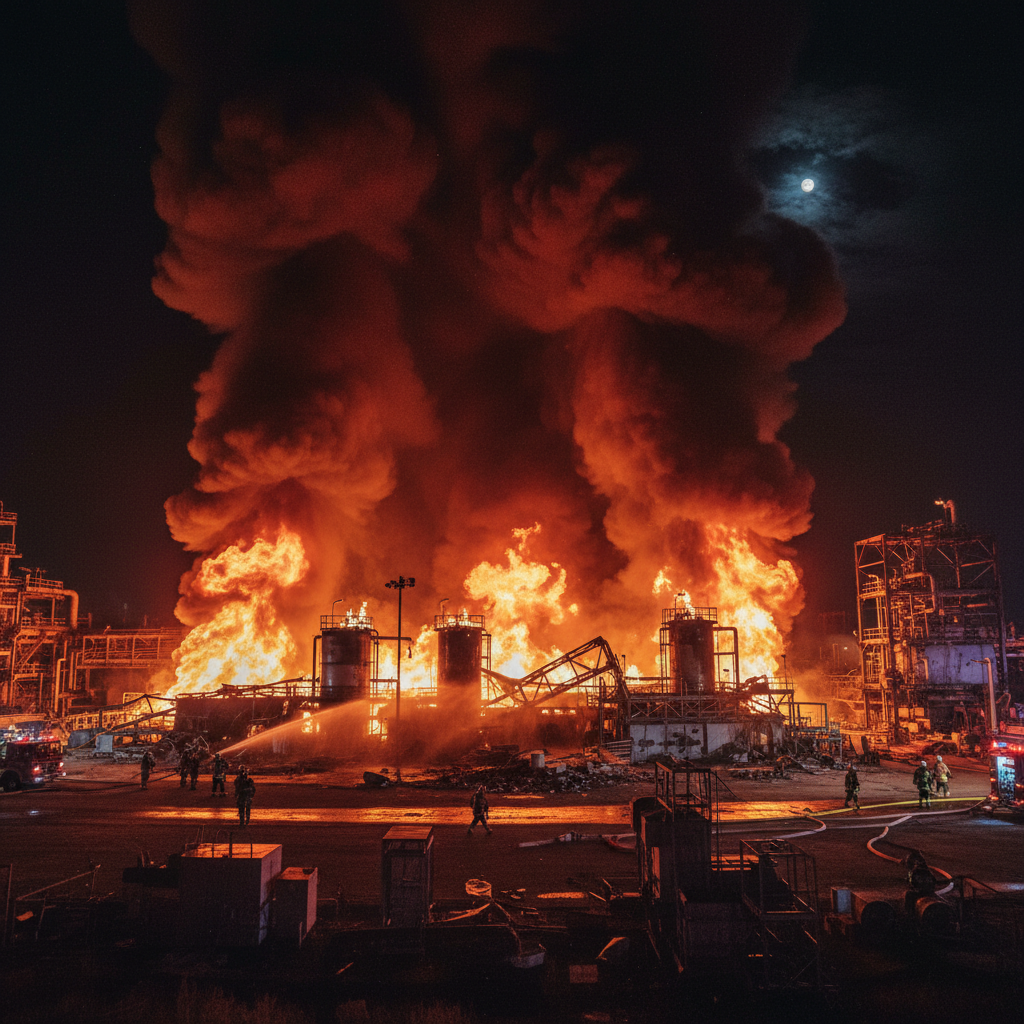
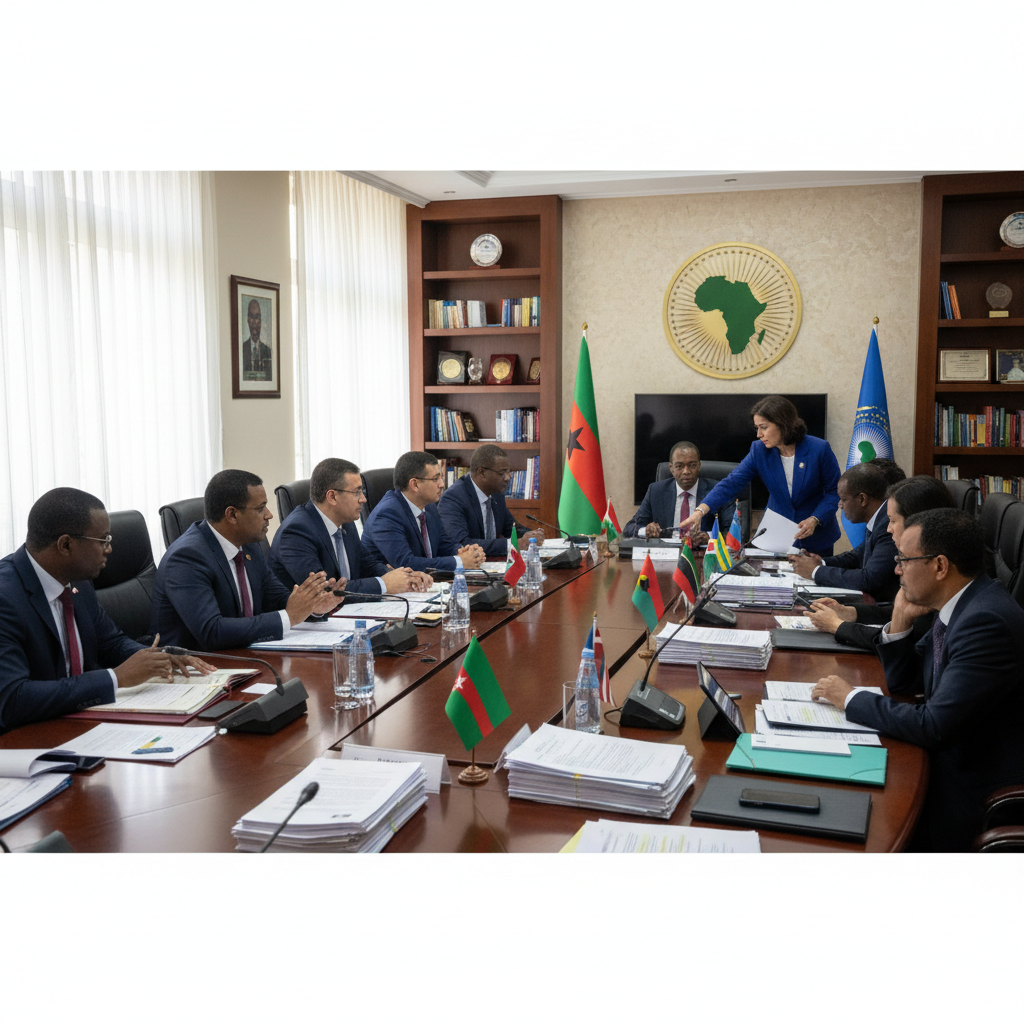
Ordinary civilians
suffered the most.
Estimated total killed in Iran during the first four weeks
More than one million Lebanese civilians fled their homes during the 2026 Lebanon war
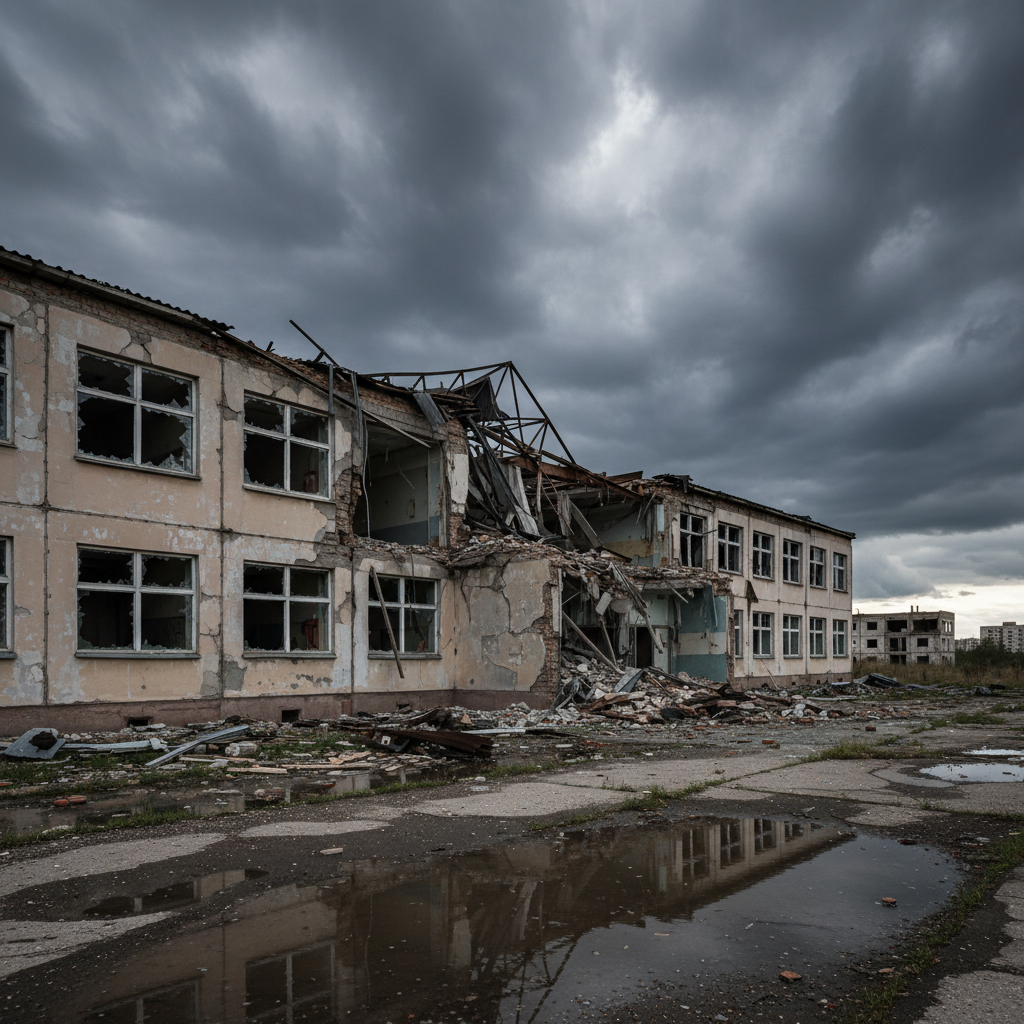
A girls' school in southern Iran bombed — 148 children killed. The single most devastating strike on civilians.
Civilians and militants killed in the 2026 Lebanon conflict triggered by Hezbollah’s involvement
“Hospitals struggled to treat injured people, and many homes, schools and public buildings were destroyed.”
Even countries far
from the war
felt its impact.
Global Oil Disrupted
20% of global petroleum and LNG transits the Strait of Hormuz annually
Strait Traffic Remaining
From ~3,000 vessels/month to just 5% of that level after the blockade
Oil Price Surge
Oil prices increased dramatically, raising petrol costs across Europe, Asia and the Americas
Flights Halted
International flights across the Middle East were reduced or cancelled entirely
World Reactions
How governments responded to the conflict
Trump: strikes necessary to weaken Iran. Thousands of additional troops deployed.
Appointed Mojtaba Khamenei as new Supreme Leader. Rejected US ceasefire proposal.
Called for negotiations and peaceful solutions throughout the conflict.
Called for diplomacy and peace; avoided direct military involvement.
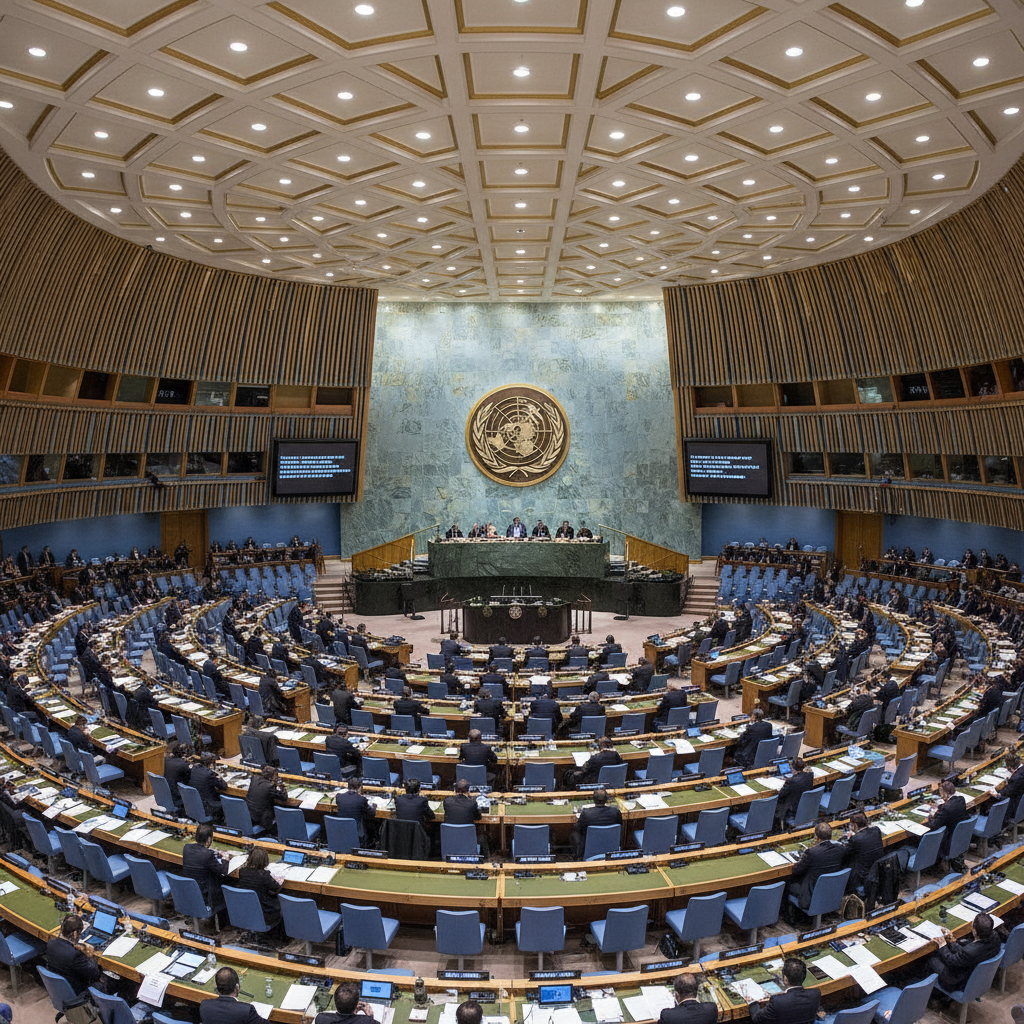
Most UN members expressed deep concern; called for diplomatic solution.
Hezbollah entered the conflict. 2,000+ killed. 1M+ displaced.
One regional conflict.
Global consequences.
After four weeks, the Iran War of 2026 had caused thousands of deaths and forced millions from their homes. The conflict made the Middle East more unstable, increased global tensions, and demonstrated how quickly a regional war becomes an international crisis.
Military
The war demonstrated the devastating effectiveness of precision air strikes and the vulnerability of state leadership to decapitation attacks.
Political
A fragile conditional ceasefire was declared on April 8, 2026. Tensions between Iran and the West remain high; the new Iranian leadership is distrusted by Washington.
Economic
The Strait of Hormuz remains effectively closed. Oil prices remain elevated. Global shipping routes are permanently altered. The economic damage continues.
Humanitarian
Thousands killed, millions displaced. A girls' school bombed. The human cost of this war will be felt for generations.
“The effects of the war were military, political and economic — and the world is still living with them.”